How a Pizza Restaurant Sources Fresh Ingredients Daily

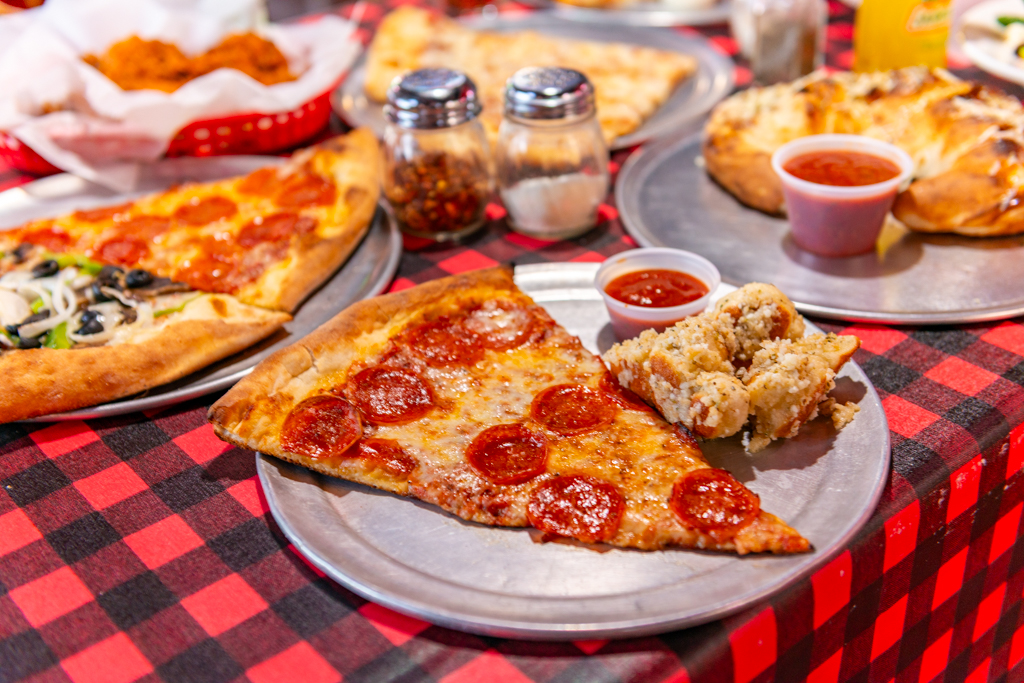
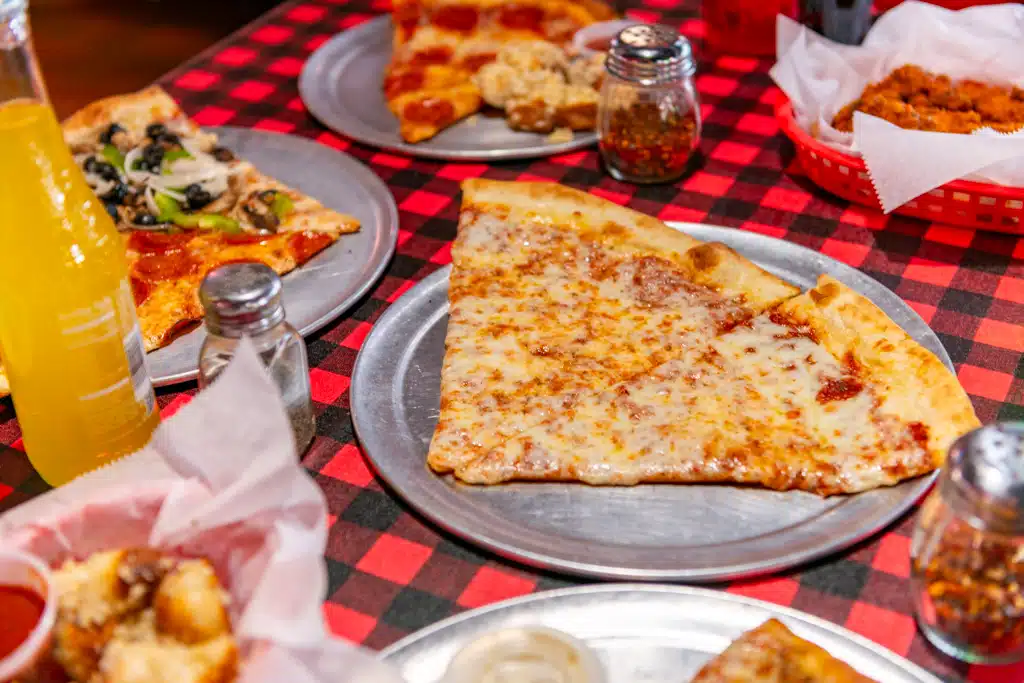
Freshness sounds simple when it appears on a menu. In practice, it is one of the hardest promises a pizza restaurant can make and keep. Dough needs time, produce has a short window between peak flavor and waste, dairy is unforgiving, and cured meats behave differently from one season to the next. The guest sees a margherita, a pepperoni pie, maybe a white pizza with mushrooms and greens. Behind that order is a supply routine built on timing, relationships, and small daily decisions that most people never notice.
A good pizza restaurant does not buy ingredients the same way a warehouse club or a national chain does. It cannot, at least not if it wants tomatoes that taste like tomatoes and basil that still smells alive at dinner service. The work starts early, often before the first prep cook ties an apron. It continues all day through receiving, trimming, rotating, fermenting, tasting, and adjusting. Fresh sourcing is not a single purchase. It is an operating system.
The day starts before delivery trucks arrive
In most well-run kitchens, the sourcing day begins with inventory from the night before. That count is rarely glamorous, but it is where discipline shows up. The chef, kitchen manager, or opening lead checks the walk-in, notes what moved faster than expected, and compares that against reservations, weather, local events, and known wholesale availability. A Friday with a youth tournament in town looks different from a rainy Tuesday. So does the first warm weekend of spring, when patio traffic can jump without much warning.
That count shapes the day’s orders. Mozzarella, flour, tomatoes, basil, mushrooms, sausage, onions, olives, oil, garlic, cream, prosciutto, arugula, and whatever seasonal special is running all get reviewed with a simple question: how much can we use at its best today and tomorrow? The answer matters because fresh sourcing is not just about quality. It is also about shrink, the industry term for product that gets bought but cannot be sold.
An experienced operator learns quickly that overbuying is often a form of fear. New managers tend to order heavily because running out feels embarrassing. Veteran managers respect the opposite risk. Too much basil on Monday means slimy leaves by Wednesday. Too much fresh mozzarella means excess purge in the pan and weaker oven performance on the line. Too many mushrooms means they lose firmness, then color, then margin.
A pizza restaurant that takes freshness seriously orders with enough confidence to stay lean, but enough caution to avoid a dinner service collapse.
Vendor relationships matter more than people think
The public often imagines sourcing as a shopping exercise. In reality, it is a relationship business. The best ingredients rarely come from scrolling a price list and picking the lowest number. They come from knowing which produce rep will text honestly about a weak batch of Roma tomatoes, which cheesemaker delivers consistent moisture levels, and which local farm can tell you by noon whether the second planting of basil is ready.
Those relationships take time. A restaurant earns good product in part by paying on time, communicating clearly, and ordering consistently. Vendors remember who rejects carelessly and who evaluates fairly. They also remember which kitchens understand seasonality and which ones complain in January that summer fruit does not taste like July.
For a pizza restaurant, the key suppliers usually fall into a few categories:
- Produce distributors for daily vegetables, herbs, and greens.
- Dairy suppliers for mozzarella, ricotta, parmesan, butter, and cream.
- Specialty importers for olive oil, cured meats, anchovies, capers, and sometimes flour or tomatoes.
- Local farms or market growers for seasonal items and menu specials.
- Broadline distributors for backup supply and staples when primary sources come up short.
What separates a smart buyer from a careless one is not just who they buy from. It is how they split the risk. Many restaurants use a primary vendor for consistency and a secondary source for insurance. If a storm damages basil crop, or a truck misses a receiving window, the kitchen needs options. Backup supply does not always match the ideal, but it can save service.
Produce is where freshness becomes visible
Guests notice fresh produce first. Wilted basil, mealy tomatoes, dull mushrooms, tired greens, and watery peppers announce neglect immediately. That is why produce often gets the most frequent deliveries, sometimes six days a week and occasionally seven in high-volume urban markets.
Basil is a classic example. It bruises easily, blackens in the cold, and deteriorates fast once bunched too tightly or stored poorly. Many pizza kitchens refuse to refrigerate it below certain temperatures because the leaves darken and lose perfume. Instead, they treat basil almost like cut flowers, loosely held, lightly protected, and turned over fast. If the supplier sends a batch that is already tired at noon, it may be unusable by the dinner rush.
Tomatoes require similar judgment, though in a different way. Fresh slicing tomatoes for salads or sandwiches need color, structure, and flavor. Sauce tomatoes have another set of needs. Some pizza restaurants rely on high-quality canned tomatoes for consistency in sauce, especially outside peak local season. That is not a compromise if done well. In fact, it is often smarter than forcing mediocre fresh tomatoes into a sauce that needs sweetness, acidity, and body. Freshness is not always about literal proximity to the vine. Sometimes it means choosing the product packed at the right stage of ripeness rather than the one that simply arrived this morning.
Mushrooms are another daily variable. A clean, firm mushroom with dry gills behaves well in a hot pizza oven. An older one throws water, shrinks unevenly, and muddies the surface of the pie. Kitchens that source mushrooms daily or near-daily usually have better control over bake quality because they are not fighting excess moisture.
Then there are greens. Arugula, spinach, and mixed herbs look abundant in the case but can disappear quickly if not https://louisupbs514.huicopper.com/what-to-expect-from-an-authentic-pizza-restaurant rotated well. One bruised box under another can shorten shelf life by a day. In a business where a day matters, receiving staff need to know what to reject without hesitation.
Cheese needs just as much scrutiny as produce
People assume cheese is stable because it arrives cold and sealed. Fresh pizza operations know better. Moisture, salt content, age, and cut size all change how cheese performs in the oven. Two shipments of mozzarella from the same supplier can behave differently enough to alter the entire line if the kitchen is not paying attention.
Fresh mozzarella is especially sensitive. Too wet, and it floods the pie. Too dry, and it loses the lush pull guests expect. Some pizzerias portion and drain it hours ahead for consistency. Others change dice size depending on the oven, weather, and current batch. Humid days can affect bake characteristics more than many diners would guess. A pizza that looked balanced in February may need less cheese in August.
Low-moisture mozzarella offers more consistency, but even then there are questions of fat content, shred size, and melt behavior. Parmesan and pecorino bring their own variables. Pre-grated products save labor but lose aroma and texture faster. Blocks cost more in prep time but often produce a cleaner, more vivid finish.
For ricotta, cream, and burrata, freshness windows tighten again. Burrata, in particular, is not something most responsible operators sit on. If a pizza restaurant advertises burrata nightly, it needs supply discipline and realistic sales forecasting. Over-ordering a luxury dairy item is one of the fastest ways to waste money elegantly.
Dough ingredients are simple, but never casual
A restaurant can buy the best basil in the city and still make forgettable pizza if the dough program is weak. Flour, water, salt, yeast, and time sound humble, yet sourcing even these basics is more nuanced than it looks.
Flour selection depends on style. New York style, Neapolitan-inspired, Roman, pan, and tavern-style doughs all ask for different protein ranges, absorption rates, and fermentation behavior. Some pizza restaurants use domestic flour almost exclusively. Others import specialty flour for particular products. Neither choice is automatically superior. The real question is whether the flour supports the restaurant’s oven, climate, hydration, proofing schedule, and staff skill.
Water matters too, especially in cities with hard municipal water or strong seasonal variation. Some operations filter heavily to protect both dough quality and equipment. Salt is usually stable, but even small changes in grain size affect mixing and consistency. Yeast performance shifts with storage and handling. Freshness at this level is not about daily farm delivery. It is about receiving ingredients in proper condition and controlling them with precision once they arrive.
Dough itself is where daily sourcing intersects with production planning. Because many doughs ferment for 24 to 72 hours, the restaurant is always ordering for service that has not happened yet. If a big Saturday is expected, flour ordering, mixing schedule, refrigeration space, and dough tray rotation all need to align days in advance. Freshness, here, means the dough reaches its intended maturity right when guests are ordering. Too young and it bakes dense. Too old and it gets gassy, sticky, and difficult on the line.
Seasonal menus make daily buying smarter
One mark of a mature pizza restaurant is that it does not fight the calendar. It builds specials and limited pies around what can be sourced well right now. That reduces waste, improves flavor, and gives the kitchen a reason to buy small, frequent quantities of standout items.
Spring lends itself to peas, asparagus, young onions, tender herbs, and soft cheeses. Summer opens the door to heirloom tomatoes, zucchini blossoms where available, sweet corn, and exceptional basil. Fall brings squash, mushrooms, sage, and bolder cheese combinations. Winter may rely more on roots, chicories, preserved ingredients, and high-quality pantry items rather than pretending local tomatoes are at their peak.
This matters because daily sourcing is easier when the menu is not stubborn. A rigid menu forces the buyer to chase mediocre versions of ingredients year-round. A flexible menu lets the restaurant buy what is abundant and impressive. Guests often read that flexibility as creativity, but from the kitchen’s side it is just sound procurement.
One of the more practical habits in good restaurants is writing specials after the supplier call, not before. If a farmer has a beautiful but limited harvest of delicata squash, that becomes the special. If the basil crop is stressed and prices are high, the restaurant may reduce basil-heavy features for a few days rather than serving a weaker version. That kind of restraint protects the brand more than forcing the issue.
Receiving is where sourcing either succeeds or fails
Ordering well means nothing if receiving is sloppy. Some of the worst waste in restaurant operations happens because products are accepted too quickly. A box gets signed for at the back door, then opened later, only to reveal crushed herbs, warm dairy, leaky sausage, or produce packed far past its prime.
Receiving should be active, not administrative. Temperatures need to be checked, boxes opened, counts verified, and quality assessed. If the tomatoes are split, if the mozzarella is warm, if the mushrooms are slimy, if the basil is black at the edges, somebody has to reject it on the spot. Vendors expect reasonable standards. What they dislike is delayed feedback after the product has already been used or stored badly on site.
There is also a labor reality here. Deliveries often arrive during prep, when the kitchen is already busy. That creates pressure to move fast and trust the invoice. The disciplined restaurant builds time and training around receiving because the cost of a three-minute shortcut can echo all day.
A practical receiving checklist usually covers a few non-negotiables:
- Verify product temperature for dairy, meats, and other perishables.
- Inspect herbs and produce for bruising, moisture, and age.
- Confirm pack size, count, and any substitutes before signing.
- Rotate stock immediately, first in, first out.
- Store sensitive products in the right zone, not just the nearest shelf.
None of that is glamorous, but it is exactly how fresh ingredients stay fresh long enough to matter.
Storage is part of sourcing, not a separate problem
Restaurants sometimes speak about sourcing and storage as if they are different departments. They are really one chain. An excellent tomato can be ruined by poor airflow. Fine mozzarella can degrade from bad stacking. Herbs can be bruised by one careless shelf arrangement.
Walk-ins should not be treated as catch-all cold boxes. Different ingredients thrive under different conditions. Leafy greens need air circulation. Mushrooms often do better when not sealed too tightly. Fresh cheese may need draining and portioning to match line use. Dry goods need clean, stable areas protected from humidity and pests. Even something as basic as keeping produce away from raw meat storage is not just a health issue. It is a quality issue.
Good kitchens also portion with intention. If the line needs two hours of cheese during a rush, it gets two hours, not the full day’s supply sitting under heat and traffic. The same goes for basil, sliced vegetables, and specialty toppings. Small controlled replenishment beats large exposed pans almost every time.
The economics are tighter than guests realize
Fresh daily sourcing sounds noble until the bill arrives. Frequent deliveries can mean higher transport costs, smaller price breaks, and more labor at the back door. Premium local produce often costs more than commodity product. Artisanal cheese and cured meats can move food cost in uncomfortable ways if menu pricing lags behind.
That is the central trade-off. Freshness improves product, but it punishes operators who lack forecasting discipline. A pizza restaurant has to balance flavor, consistency, waste, and menu price in real time. If a case of basil doubles in cost after a weather event, the restaurant has choices. It can absorb the hit, raise prices, reduce garnish, change a special, or temporarily shift emphasis to another pie. None of those options is ideal every time. Judgment matters.
The strongest operators build margin in the menu without making the restaurant feel expensive for the wrong reasons. They also teach staff to respect ingredients. Over-cheesing a pie by half an ounce does not sound serious until it happens 150 times in a weekend. Grabbing basil by the fist instead of by measured pinch is not charming when the market is short. Waste often looks like enthusiasm until the P and L shows otherwise.
Technology helps, but only if the team can taste
Inventory software, vendor portals, sales forecasts, and recipe costing tools have made modern sourcing more precise. They can reveal usage trends, flag anomalies, and improve ordering accuracy. A restaurant that sells 18 percent more mushroom pizzas whenever rain hits on a Friday night can actually use that information.
Still, the best buying decisions remain sensory. No software can smell whether basil has life left in it. No dashboard can tell you a fresh mozzarella batch is weeping more than usual. No spreadsheet can fully predict how dough will ferment after a warm delivery and a crowded walk-in. Experienced buyers combine data with hands, eyes, and palate. They know the numbers, then they look in the box.
That mix of analytics and instinct is one reason great independent pizza restaurants feel different from overly standardized operations. They are not improvising wildly. They are making small informed adjustments every day, often every hour.
What guests taste is the result of a hundred quiet decisions
When people praise a pizza restaurant for tasting fresh, they are usually responding to texture and contrast as much as flavor. The sauce tastes bright rather than flat. The cheese melts cleanly. The basil lifts the pie instead of sitting there limp and dark. The mushrooms are savory, not watery. The crust has character. Nothing feels tired.
That result comes from repetition and restraint. Someone ordered carefully. Someone rejected a weak case. Someone stored the produce correctly. Someone adjusted the cheese portion because the batch ran wetter than last week. Someone changed the special because the right ingredients were available and the wrong ones were not.
There is a tendency in food writing to romanticize sourcing as a truck arriving from a farm at sunrise. Sometimes it is that beautiful. More often, it is a series of practical acts done well: a 6:30 a.m. Inventory, a frank supplier call, a fast quality check at the back door, a well-organized walk-in, and a prep team that understands the cost and fragility of what it is handling.
That is how a pizza restaurant sources fresh ingredients daily. Not through one grand gesture, but through discipline repeated often enough that the final pie feels effortless. Guests should never have to see the complexity. They should just taste a slice that feels alive.
RUFFRANO'S HELL'S KITCHEN PIZZA Security
385 Main St, Colorado Springs, CO 80911
(719) 390-4355
FAQ About pizza restaurant
Is there a Hell's Kitchen pizza restaurant in Security-Widefield?
Yes. Ruffrano's Hell's Kitchen Pizza has a Security-Widefield location at 385 Main St.
Where can I find pizza delivery in Security-Widefield?
Ruffrano's Security location offers online ordering. Enter your address at checkout to check delivery availability and fees.
Where can I find gluten-free pizza in Security-Widefield?
Ruffrano's menu lists a 12-inch gluten-free option. Call the Security location to confirm availability and ask about shared equipment if cross-contact is a concern.